
Where Systems Thinking Meets Real Teaching
We started Frixo because too many programmers were hitting walls they couldn't break through. Not from lack of talent—from gaps in foundational knowledge that most courses just skip over.
Back in 2018, our founder Aldric Bexley was consulting for fintech companies around Singapore. Same problem kept coming up. Smart developers, decent at application work, but completely lost when performance became critical. They'd never learned how memory actually works, how the OS schedules threads, or why their "optimized" code still crawled.
That's what drove us to focus entirely on system programming. Not because it's trendy—it's definitely not. But because understanding what happens beneath your code changes everything you build on top of it.

How We Actually Teach This Stuff

Start With What Matters
We don't waste your time with theory that sounds impressive but goes nowhere. Our courses begin with actual problems—memory leaks that crash production systems, race conditions that corrupt data, performance bottlenecks that cost real money.
Then we work backward to the concepts you need. You learn pointer arithmetic when you're hunting down a buffer overflow. You understand virtual memory when you're figuring out why your process keeps getting killed. Context makes everything stick better.
Build Things That Break
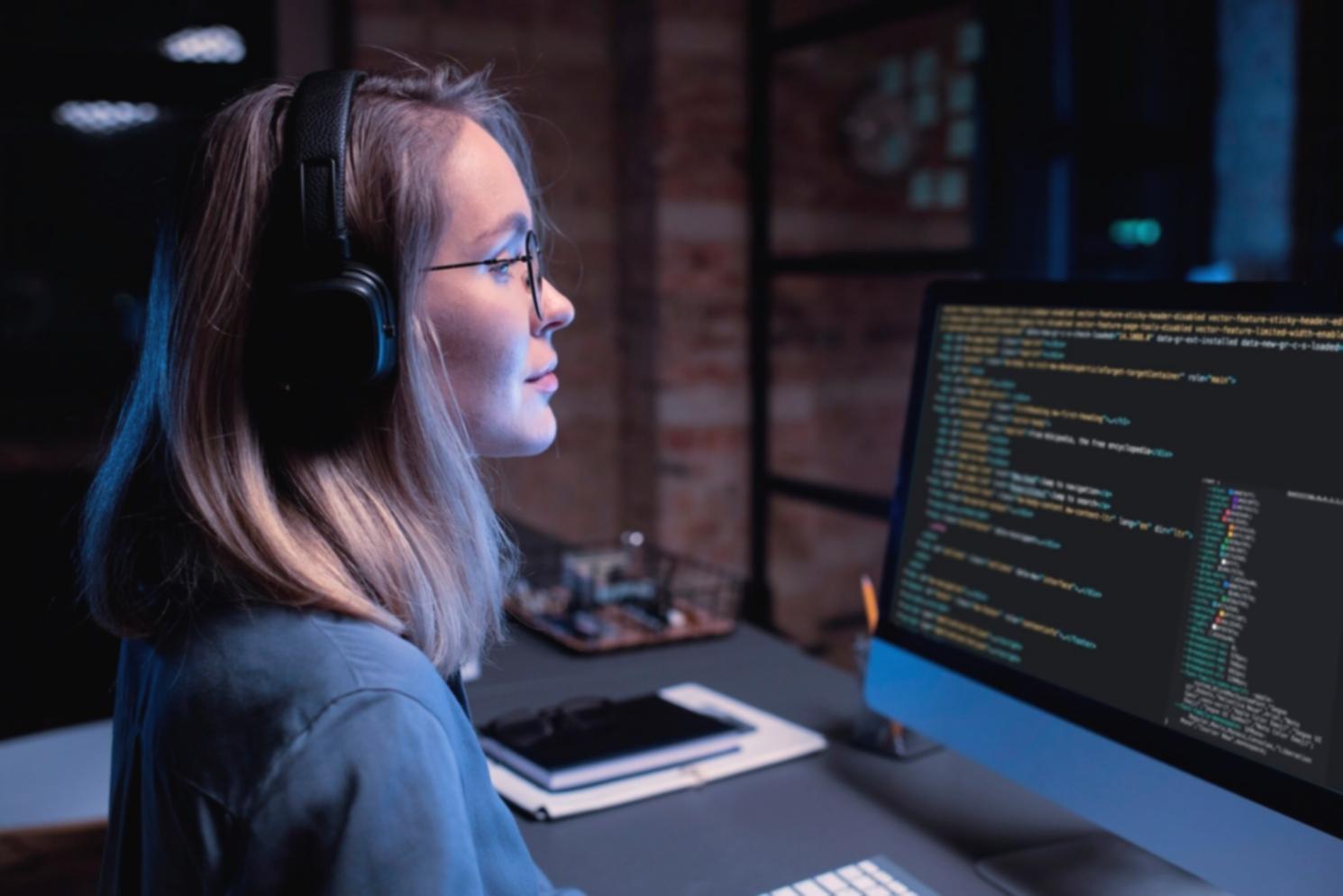
Every module includes projects designed to fail in interesting ways. You'll write schedulers that deadlock, implement cache systems that thrash, create network protocols that lose packets. Then you'll fix them.
This is how you develop intuition. After debugging your tenth segmentation fault or tracking down why your lock-free algorithm isn't actually lock-free, patterns start emerging. You begin recognizing problems before they happen—which is the whole point.
Our instructors don't give you solutions immediately. We've found students learn more from spending two hours wrestling with a subtle concurrency bug than from watching someone else solve it in ten minutes. Though we're definitely there when you actually get stuck.
Ready to Learn How Computers Really Work?
Our next cohort starts in about eight months. Classes are deliberately small—we cap at twelve students so everyone gets proper attention. If you're tired of surface-level programming and want to understand what's actually happening when your code runs, this might be worth your time.
Get Course Details